Shadow Feminine
The Succubus — Meaning and Shadow Feminine
The succubus is a medieval invention designed to explain desire that the writers of the time could not otherwise account for. Read charitably, it is a figure of feminine power so intense that an entire theological tradition had to invent a demon to contain it. Read honestly, it is a mirror for what any culture fears and therefore names.
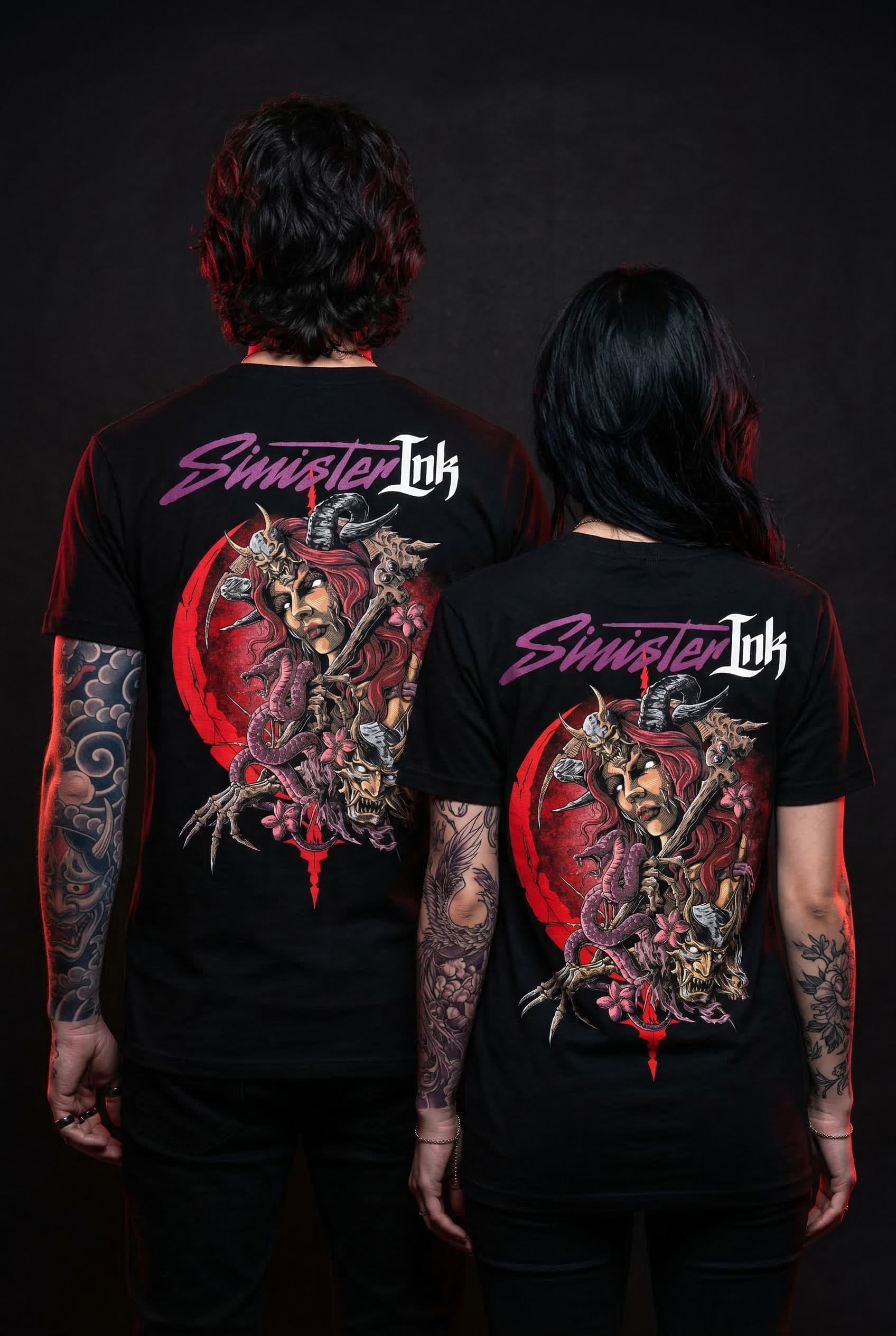
Origin
The succubus appears in medieval European demonology, with prominent mentions in the 15th-century Malleus Maleficarum and earlier in Jewish mystical traditions as Lilith — Adam's first wife in some texts, who refused subservience and was cast out. In both traditions, the figure is a woman (or woman-shaped being) whose power is sexual, autonomous, and unwilling to be governed. Modern scholarship increasingly reads the succubus not as a literal demon but as a cultural projection — what the writers of a strict sexual order needed to externalize in order to keep the order intact.
What the Succubus Symbolizes
Feminine power read through fear
The succubus is what you get when a society cannot process an autonomous woman and so invents a demon to hold the category. The fear is the record, not the figure.
Desire as a real force
The myth insists that desire is powerful enough to derail kings, priests, and empires. On that point, the myth is simply correct — it just assigns the danger to the wrong actor.
The shadow feminine
In Jungian reading, the succubus is a shadow archetype — the disowned, unintegrated side of feminine energy that returns through the back door when the front is locked.
Refusal of assigned roles
Lilith, the proto-succubus figure, is exiled for refusing a hierarchical position, not for any crime. The archetype descends from principled refusal, not moral failure.
Why the Succubus Still Matters
The succubus is a reclaimed figure. Worn today, the image is almost never about literal demonology — it is about the kind of feminine presence that prior centuries could only process by calling it monstrous. To wear the succubus is to side with Lilith over the theology that exiled her.
Frequently Asked Questions
What is a succubus?
A succubus is a figure from medieval European demonology — a female demon who, in the original texts, appears to men in dreams. Modern readings treat the succubus less as a literal entity and more as a projection of medieval cultural anxieties about autonomous feminine power.
What does a succubus symbolize?
The succubus symbolizes feminine power so unrestricted that the surrounding culture had to label it demonic to contain it. In modern tattoo and streetwear contexts, the symbol is usually reclaimed — representing autonomy, refusal of assigned roles, and the shadow feminine archetype.
Is the succubus the same as Lilith?
They are related but not identical. Lilith, in Jewish mystical tradition, is Adam's first wife who refused subservience and left Eden. She is considered the proto-succubus figure in many folklore traditions. Later Christian demonology developed the succubus as a generalized category; Lilith is the prototype.
What does a succubus tattoo mean today?
A succubus tattoo today typically represents reclaimed feminine power, refusal of assigned roles, and comfort with the shadow side of the self. It is rarely worn as literal demonology and much more often as a symbol of sovereignty.